 Grzegorz
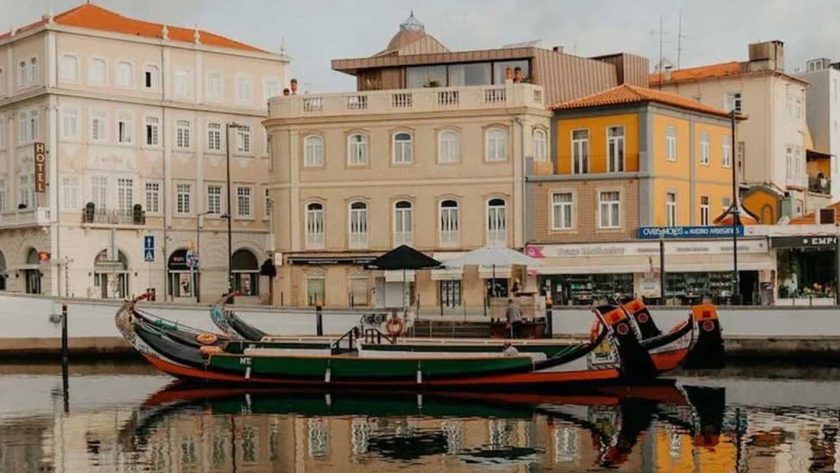
 Aveiro, often dubbed the “Venice of Portugal,” is a charming city known for its picturesque canals, colorful moliceiro boats, and art-nouveau architecture. While the city itself is relatively compact and walkable, understanding its public transportation system can elevate your travel experience, allowing you to explore both the city and its surrounding regions efficiently. From trains and buses to the iconic ferries, this guide covers everything you need to know to navigate Aveiro like a local.
1. Overview of Aveiro’s Transportation System
Aveiro’s public transportation network is designed to cater to both residents and tourists. While walking remains one of the best ways to experience the canals and historic neighborhoods, trains, buses, and ferries provide convenient alternatives for longer distances or when exploring areas outside the city center.
Trains: Ideal for reaching nearby towns, cities, and attractions.
Buses: Cover local routes within the city and intercity connections.
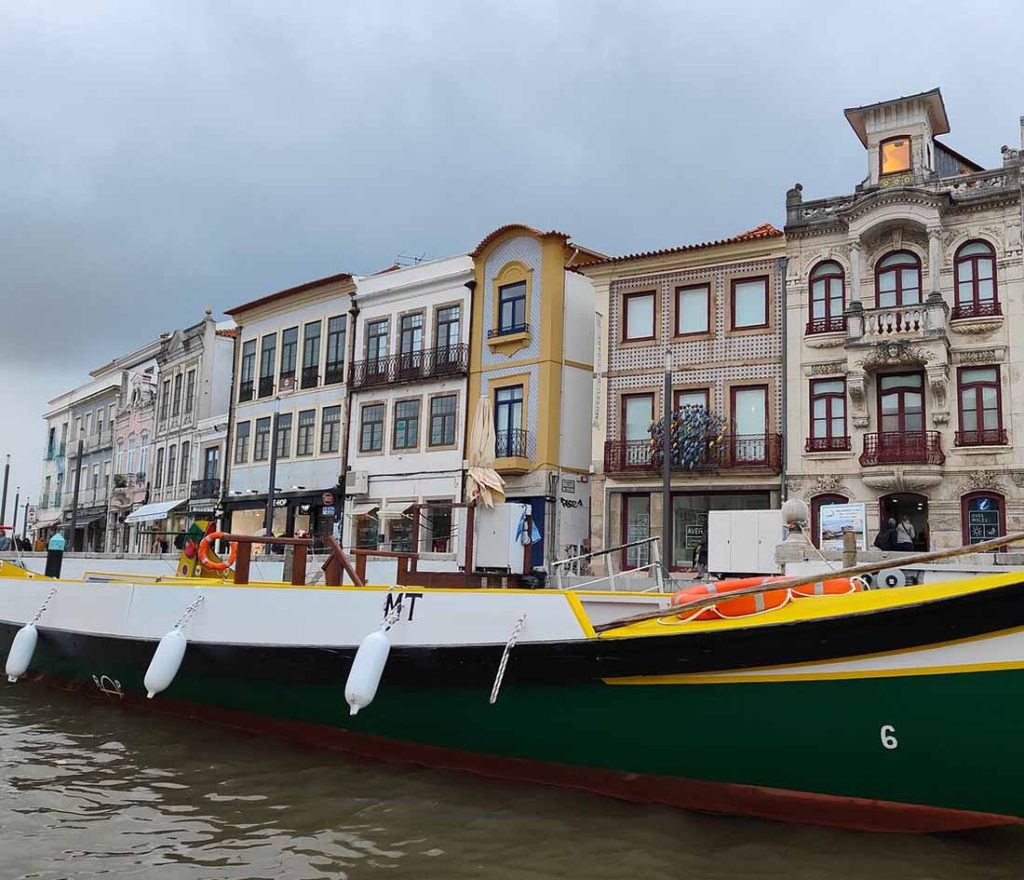
Ferries (Moliceiro boats): A scenic way to explore the canals and enjoy leisure travel experiences.
Each mode of transport has its unique advantages, and knowing how to combine them can make your visit smoother and more enjoyable.
2. Traveling by Train
Aveiro’s train station, Estação Ferroviária de Aveiro, is centrally located, making it easy to reach from most parts of the city. Trains are operated by Comboios de Portugal (CP), the national railway company.
2.1 Types of Trains
Urban Trains: Connect Aveiro to nearby towns such as Ílhavo, Ovar, and São Jacinto. These are frequent and cost-effective for short trips.
Regional Trains (R): Ideal for mid-distance travel, for example to Coimbra or Porto. They offer comfort and a reliable schedule.
Intercity Trains (IC): Perfect for longer journeys. For example, you can travel to Lisbon or Porto comfortably, with faster travel times and reserved seating.
Alfa Pendular: The high-speed train service connecting major cities. While a bit pricier, it is the fastest option to reach Porto or Lisbon.
2.2 How to Buy Tickets
Online: Visit the CP website or use the CP app. Digital tickets are convenient and often allow seat reservations.
At the Station: Ticket counters and self-service machines accept cash and cards. Staff can assist if you’re unsure about which ticket type to buy.
Validation: Most long-distance tickets are time-stamped at purchase; urban trains may require validation before boarding.
2.3 Tips for Train Travel
Arrive 10–15 minutes before departure, especially for regional and intercity trains.
Check real-time schedules via the CP app or station display boards.
Keep a small bag with essentials handy; luggage space is limited on smaller trains.
For scenic photography, sit on the left side when traveling toward Porto for better canal views.
3. Traveling by Bus
Buses are a versatile option in Aveiro, covering routes that trains do not reach. The city has both local and intercity services.
3.1 Local Bus System
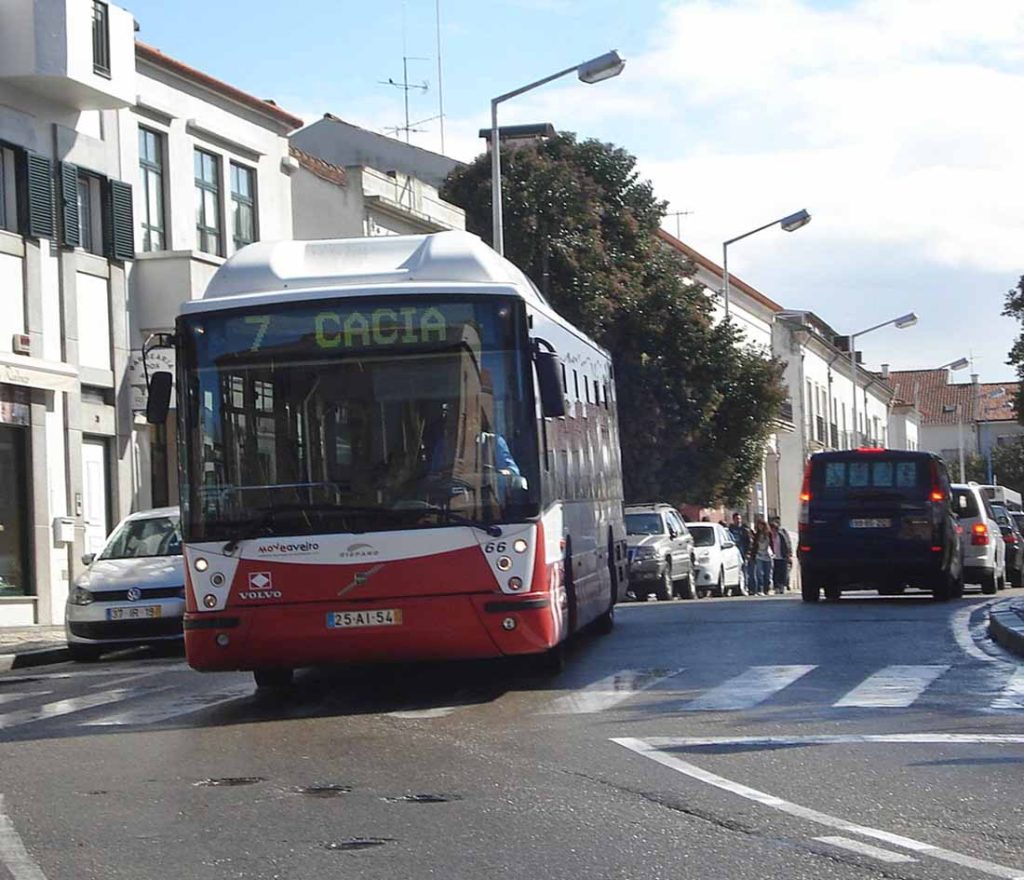
Aveiro’s local buses are operated by Transdev and connect neighborhoods, educational institutions, and tourist hotspots. Popular routes include:
City center to Costa Nova: Great for visiting the famous striped houses and beaches.
Aveiro station to Forum Aveiro shopping area: Convenient for shopping or dining stops.
University routes: Useful if you’re exploring the university campus or attending events.
3.2 Intercity Buses
For destinations not served by trains, intercity buses can be a convenient alternative. Companies like Rede Expressos operate routes connecting Aveiro to Coimbra, Porto, Lisbon, and beyond.
Comfort and Amenities: Many intercity buses offer reclining seats, onboard Wi-Fi, and luggage storage.
Tickets: Can be purchased online, at the station, or directly from the bus driver for short-distance travel.
3.3 How to Use the Bus System
Fares: Pay on board with cash or a reloadable travel card. Some buses accept contactless payments.
Schedules: Timetables are usually available online and at bus stops. Frequency may vary, so planning ahead is recommended.
Tips: Look for stops near major landmarks. If uncertain, ask locals or the driver—they are generally helpful.
4. Exploring Aveiro by Ferry and Moliceiro Boats
Aveiro’s canals are not only scenic but also a functional part of the city’s historical transportation network. Today, they serve primarily for tourism and leisure.
4.1 Moliceiro Boats
The moliceiro is a traditional, colorful boat originally used for seaweed harvesting. Now, it’s one of the most iconic ways to see the city from the water.
Tour Duration: Standard tours last between 30–60 minutes, depending on the route.
Routes: Most tours pass through the main canals, the market area, and often extend toward the salt pans or the Ria de Aveiro lagoon.
Booking: Tickets can be bought at docking points or through online platforms. Group tours and private charters are available.
Experience: Boats often have painted motifs and witty inscriptions, adding cultural flavor to the ride. Guides may provide commentary about local history and landmarks.
4.2 Ferry Services
Besides tourist-oriented moliceiro boats, Aveiro has some small ferry services connecting different parts of the canal system, particularly in areas with limited bridges. While primarily used by locals, tourists can also enjoy short ferry rides.
5. Combining Transportation Modes
One of the best ways to explore Aveiro is to combine trains, buses, and ferries:
Day Trip to Costa Nova: Take a local bus from the city center, explore the beaches and striped houses, and return via a scenic ferry ride through the canals.
Weekend Getaway to Porto or Coimbra: Take a regional train, then use the local bus or ferry for last-mile connections within the city.
Canal and City Tour: Walk through the city center, then take a moliceiro boat to see the canals from a different perspective.
5.1 Travel Cards and Passes
Some local transit operators offer reloadable travel cards or day passes, which can be used on buses and ferries.
If planning multiple trips in a day, these passes can save money and reduce the hassle of buying individual tickets.
6. Accessibility and Safety Tips
Aveiro’s public transport is generally safe, clean, and easy to navigate. Here are some tips for smooth travel:
Accessibility: Most buses and trains are equipped with ramps or spaces for wheelchairs. Moliceiro boats may have limited accessibility, so check in advance.
Safety: Pickpocketing is rare but stay vigilant, especially in crowded stations and tourist hotspots.
Travel Apps: Use apps like Google Maps, CP, and Rede Expressos for real-time schedules and route planning.
Language: Basic English is often understood by transport staff, but knowing a few Portuguese phrases can be helpful.
7. Suggested Travel Gear
To enjoy Aveiro’s public transport comfortably:
Comfortable Walking Shoes: You’ll likely combine walking with public transport.
Small Backpack: Handy for essentials, tickets, and water.
Portable Charger: Useful for navigation apps and online ticketing.
Weather Gear: Bring a light jacket or raincoat; canal areas can be breezy and occasionally wet.
Camera or Smartphone: To capture the vibrant moliceiro boats, canals, and street scenes.
8. Insider Tips
Early Morning or Late Afternoon: Trains and buses are less crowded; canals are calmer, ideal for photography.
Off-Peak Travel: Consider traveling outside of typical commuting hours to enjoy a quieter experience.
Local Recommendations: Ask locals about the best moliceiro tours or hidden bus routes—they often know shortcuts and scenic detours.
Combine with Walking: Aveiro is compact; combining walking with public transport lets you experience both the charm of narrow streets and the efficiency of buses or trains.
9. Must-See Spots Accessible by Public Transport
Using the public transportation system, you can reach several iconic spots:
Aveiro Cathedral (Sé de Aveiro): Short walk from the train station; accessible by bus too.
Art Nouveau Buildings: Explore streets around Rua Direita and Príncipe Square.
Museu de Aveiro: Near the canals; easily accessible by foot or bus.
Costa Nova: A local bus from the city center takes around 15–20 minutes.
Ria de Aveiro Lagoon: Moliceiro tours often include this scenic area.
Navigating Aveiro’s public transportation system is remarkably straightforward, making it an ideal city for travelers who want to explore efficiently without missing any of its charm. By skillfully combining trains, buses, and ferries, you can easily access not only the historic city center but also its surrounding attractions, including picturesque beaches, quaint nearby villages, and the tranquil Ria de Aveiro lagoon. The local trains are perfect for reaching neighboring towns, while buses cover areas the trains cannot, and the iconic moliceiro boats provide a scenic and leisurely perspective of the city’s canals.
Whether you are a casual tourist seeking a relaxing canal ride, a foodie eager to hop between traditional restaurants and cafés, or an avid photographer aiming to capture the vibrant colors of the streets and moliceiro boats, understanding the local transport network is essential to making the most of your visit. Planning your routes in advance, purchasing the appropriate tickets or travel passes, and familiarizing yourself with timetables will save you time, reduce stress, and allow you to enjoy each moment without unnecessary delays. Despite its relatively small size, Aveiro’s transportation network is highly efficient, giving visitors the flexibility to explore both well-known attractions and hidden gems. With the right approach, you can immerse yourself fully in the city’s unique charm and discover its many layers in a relaxed and enjoyable way.