 Grzegorz
 For many travelers heading to Portugal, Lisbon and Porto are the first points of entry. Both cities are well connected by international flights, making them the most convenient gateways to the charming canal town of Aveiro. Known as the “Venice of Portugal,” Aveiro is famous for its colorful boats, tiled facades, and sweet treats like ovos moles. But before wandering through its picturesque streets, one important question arises: how do you actually get there after landing in Portugal?
This comprehensive guide will walk you through everything you need to know about flying into Lisbon or Porto, and then seamlessly connecting your journey to Aveiro. We’ll cover flight routes, airport logistics, ground transfers, costs, and smart traveler tips to help you make the best decision for your itinerary.
1. Understanding Aveiro’s Location
Aveiro is strategically positioned in central Portugal, making it both accessible and appealing to travelers who want to explore more than just one city. It lies approximately 70 kilometers south of Porto and about 250 kilometers north of Lisbon, two of Portugal’s largest urban centers. This placement makes Aveiro a convenient stop for those planning a wider journey across the country, whether you’re moving north to south or vice versa.
Despite its popularity, Aveiro does not have its own commercial airport, which is an important consideration when planning your trip. Instead, visitors need to fly into one of Portugal’s two main international gateways—Lisbon’s Humberto Delgado Airport (LIS) or Porto’s Francisco Sá Carneiro Airport (OPO). Both airports handle millions of passengers every year and offer strong international connections, ensuring that reaching Portugal is rarely a challenge.
From either airport, continuing on to Aveiro is straightforward thanks to the country’s efficient transportation system. Trains, buses, and car rentals are all available, allowing travelers to choose the option that best suits their budget, schedule, and travel style.
2. Flying Into Lisbon
International Routes to Lisbon
Lisbon is Portugal’s busiest airport, with nonstop flights from major cities across Europe, North America, South America, Africa, and Asia. Carriers like TAP Air Portugal, Lufthansa, Air France, British Airways, Emirates, and Delta all serve Lisbon, making it a frequent first stop for travelers.
Airport Layout
Lisbon Airport has two main terminals. Terminal 1 handles most international flights, while Terminal 2 is mainly used by low-cost carriers like Ryanair and easyJet. Shuttle buses connect the terminals, but most long-haul travelers will arrive at Terminal 1.
Getting From Lisbon to Aveiro
Once you’ve landed in Lisbon, you’ll need to choose your onward connection. The most popular choice is the train:
- By Train:
- Take the Metro or a taxi from Lisbon Airport to Lisboa Oriente railway station (about 10–15 minutes).
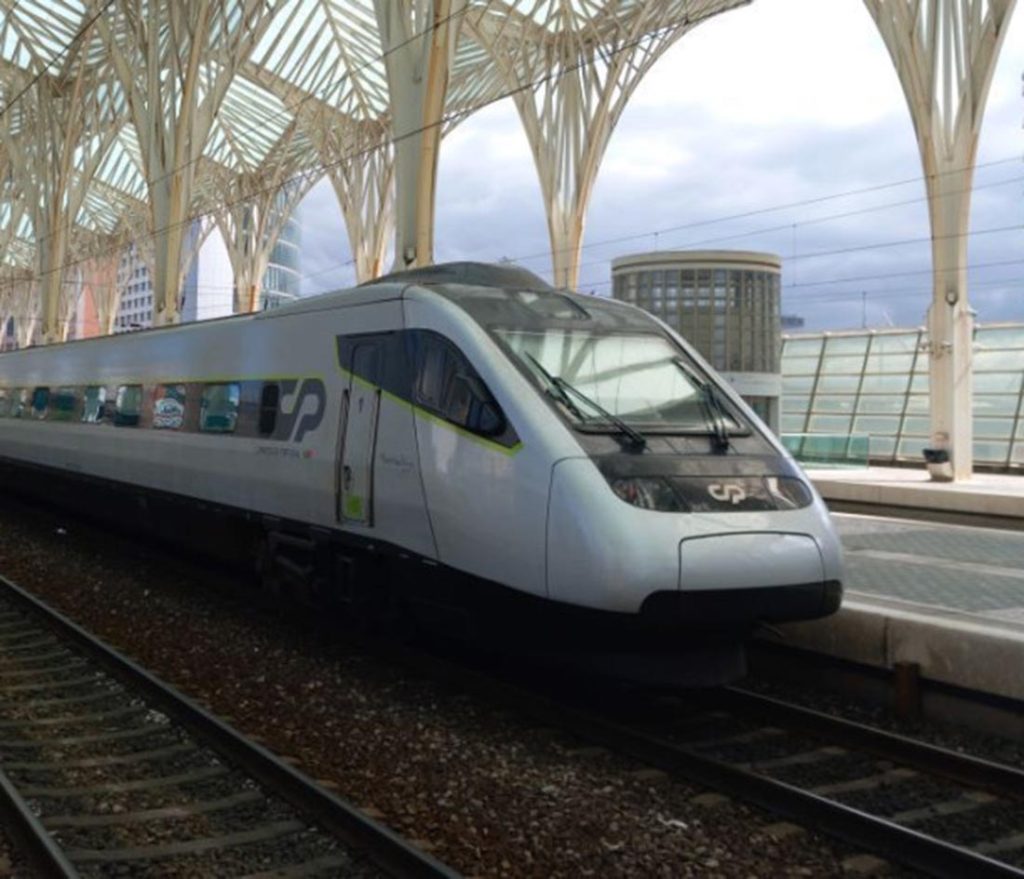
- Intercity (Intercidades) and Alfa Pendular trains run frequently to Aveiro.
- Journey time: roughly 2 hours 15 minutes.
- Cost: €20–€30 depending on train type and class.
- By Car:
- Driving from Lisbon to Aveiro takes around 2.5 hours via the A1 motorway.
- This option is convenient for those planning to explore multiple towns along the way.
- By Bus:
- Rede Expressos buses operate from Lisbon’s Sete Rios bus station.
- Travel time is about 3.5 hours, making it less efficient than the train.
3. Flying Into Porto
International Routes to Porto
Porto Airport, though smaller than Lisbon, is highly efficient and well connected to European destinations. Ryanair, easyJet, Vueling, Lufthansa, and TAP Air Portugal all operate flights here, making Porto especially attractive for budget travelers coming from European hubs.
Airport Layout
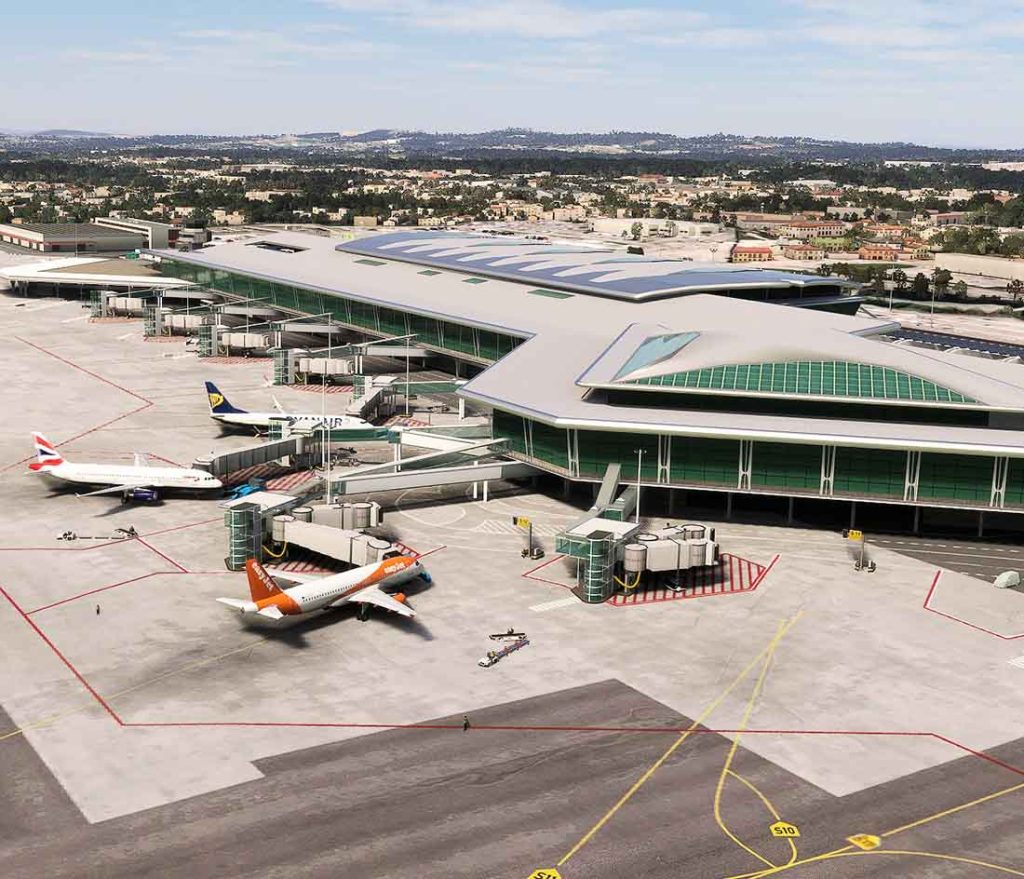
Porto Airport is modern, compact, and easy to navigate. Its single terminal makes arrival and departure straightforward.
Getting From Porto to Aveiro
Aveiro’s proximity to Porto makes this option very appealing:
- By Train:
- From Porto Airport, take the Metro’s purple line (Line E) to Campanhã station (around 35 minutes).
- Trains from Campanhã to Aveiro depart at least once per hour.
- Journey time: about 1 hour.
- Cost: €8–€15 depending on the train.
- By Car:
- Driving from Porto Airport to Aveiro takes roughly 1 hour via the A1 motorway.
- Car rentals are available at the airport, providing flexibility for exploring the Douro Valley or coastal towns.
- By Bus:
- While buses are available, the train is faster, more comfortable, and equally affordable.
4. Lisbon vs Porto: Which Gateway Should You Choose?
When deciding between Lisbon and Porto for your arrival, consider these factors:
- Distance to Aveiro: Porto is significantly closer. The journey takes only about an hour by train, compared to over two hours from Lisbon.
- Flight Options: Lisbon offers more long-haul connections, making it the better option if you’re flying from outside Europe. Porto is excellent for European low-cost flights.
- City Stopover: If you want to combine Aveiro with a few days in a major Portuguese city, think about your preferences. Lisbon is cosmopolitan, historic, and vibrant, while Porto offers a more intimate charm with its riverside setting.
- Travel Costs: Porto is often cheaper for accommodations and dining, while Lisbon provides more diverse cultural experiences.
5. Practical Travel Tips
Booking Flights
- Compare Both Airports: If you’re flying into Europe first, check prices for both Lisbon and Porto. Sometimes flying into one and out of the other (an “open-jaw” ticket) is the most cost-effective.
- Consider Layovers: Some long-haul flights to Lisbon are direct, while those to Porto may involve a layover in a European hub like Frankfurt, Paris, or Madrid.
Buying Train Tickets
- Use the official Comboios de Portugal website or app to check schedules and book tickets in advance.
- Discounts are available if you book early—sometimes up to 40% off.
- Validate your ticket before boarding to avoid fines.
Luggage Logistics
- If you’re traveling with heavy luggage, consider taking a taxi or ride-hailing service to the train station rather than using public transport.
- Train carriages have luggage racks, but space can be limited during peak travel times.
Travel Comfort
- Trains in Portugal are modern and comfortable, with air-conditioning and Wi-Fi on most Alfa Pendular services.
- Reserve a seat for longer journeys, especially if you’re traveling during weekends or holidays.
6. Sample Itineraries
Option 1: Lisbon Arrival
- Morning: Land at Lisbon Airport.
- Late Morning: Take the Metro to Oriente Station.
- Afternoon: Board a train to Aveiro.
- Evening: Arrive in Aveiro, enjoy a relaxed dinner by the canals.
Option 2: Porto Arrival
- Morning: Land at Porto Airport.
- Midday: Take the Metro to Campanhã.
- Afternoon: Board a train to Aveiro (just 1 hour).
- Evening: Begin exploring Aveiro with more time to spare.
Aveiro may not have its own airport, but that doesn’t make it difficult to reach. In fact, the town’s central location between Lisbon and Porto makes it an easy and flexible stop on any Portuguese itinerary. Thanks to Portugal’s efficient and reliable rail network, both Lisbon and Porto serve as excellent gateways, each offering travelers a slightly different experience depending on their priorities, travel style, and schedule.
For those arriving from abroad, the first factor to consider is where your international flight lands. Lisbon, being the capital, is Portugal’s largest and busiest airport. It hosts a wide range of long-haul flights from North America, South America, Africa, and Asia, which makes it the most likely entry point for travelers coming from outside Europe. Porto, on the other hand, is smaller but highly convenient. It is well connected to many European hubs and is a favorite for budget airlines, making it a strong choice for travelers already within Europe or for those looking to save on airfare.
If convenience and speed are your top priorities, Porto is the obvious choice. The city is located just 70 kilometers north of Aveiro, and trains from Porto’s Campanhã station to Aveiro take only about an hour. This means you can land in Porto in the morning, connect to the train shortly after, and be cruising Aveiro’s canals by lunchtime. For short trips, this is the most time-efficient option, as it maximizes your hours on the ground to explore. Porto’s compact and modern airport also makes the arrival process quick and stress-free, which is ideal for travelers who prefer a seamless journey.
Lisbon, by contrast, requires a bit more travel time to reach Aveiro—approximately 2 hours and 15 minutes by train from Oriente station. However, this slightly longer connection brings its own rewards. For travelers who wish to combine their Aveiro visit with a broader immersion into Portuguese culture, history, and nightlife, Lisbon offers the perfect start. The capital city provides countless opportunities to explore historic neighborhoods, sample diverse cuisines, and enjoy vibrant evenings before heading north. Many visitors find that splitting their time between Lisbon, Aveiro, and Porto creates a well-rounded trip that captures the essence of Portugal.
Whichever path you choose, the journey itself is smooth and enjoyable. Portuguese trains are modern, comfortable, and affordable, allowing you to relax and admire the rolling landscapes of the countryside. By the time you arrive, you’ll already feel immersed in the rhythm of the country. Aveiro’s colorful canals, Art Nouveau architecture, and unique coastal charm await, making the short journey from Lisbon or Porto well worth the effort.